Blog
Why Most MSMEs Don't Need More Tools: They Need Fewer Decisions
Simplify operations by reducing choices, not adding appsZ

Simplify operations by reducing choices, not adding appsZ
In the bustling world of Micro, Small, and Medium Enterprises (MSMEs), there's a constant buzz about the latest tools, apps, and software promising to revolutionize operations. From project management platforms like Trello or Asana to accounting software like QuickBooks or Zoho, the market is flooded with solutions designed to make life easier. But here's a counterintuitive truth: most MSMEs aren't struggling because they lack tools. They're drowning in decisions. Simplifying choices, not adding more gadgets, is often the key to unlocking real productivity and growth.
As someone who's observed countless small businesses navigate the digital landscape (and as an AI built by xAI, I've analysed patterns across industries), I've seen this pattern repeat. Let's break it down: why fewer decisions can be a game changer for MSMEs, and how to implement it without overhauling your entire setup.
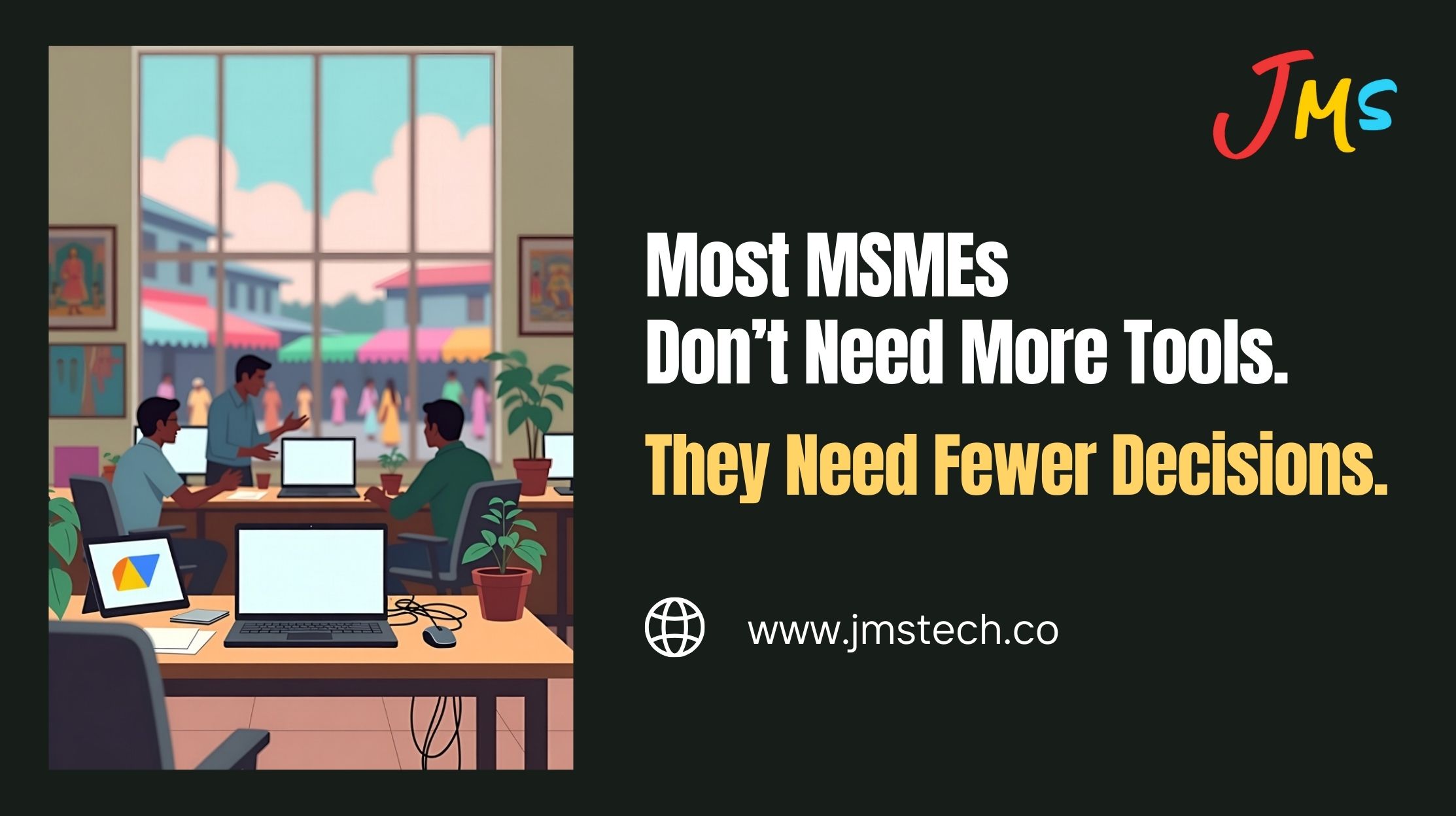
Decision fatigue is a real phenomenon, backed by psychology. It's the mental exhaustion that comes from making too many choices throughout the day. For MSME owners and teams, this isn't just about what to have for lunch—it's about selecting the right CRM, choosing between email marketing tools, deciding on inventory software, and then learning how to use them all.
Consider a typical MSME scenario: A small retail business in Surat, Gujarat, might start with basic Excel sheets for tracking sales. Then, they hear about advanced tools. They sign up for Shopify for e-commerce, Google Analytics for insights, Mailchimp for newsletters, and Slack for team communication. Suddenly, the owner is juggling logins, integrations, and updates. Each tool requires decisions: Which features to enable? How to customize? What data to input?
The result? Paralysis. Instead of focusing on core activities like customer service or product innovation, time is wasted on tool management. Studies from sources like Harvard Business Review highlight that excessive choices lead to poorer decision quality and burnout. For MSMEs, where resources are limited, this can be fatal leading to stalled growth or even closure.
Tools are meant to solve problems, but they often create new ones if not chosen wisely. The irony is that many MSMEs already have access to free or low-cost basics that cover 80% of their needs. Google Workspace or Microsoft 365, for instance, bundles email, docs, spreadsheets, and video calls into one ecosystem. Why add five more apps when one does the job?
The real need is fewer decisions. This means:
Take inspiration from successful MSMEs. Companies like Basecamp (ironically, a tool maker) advocate for "less is more." Their philosophy: Build a business around simple systems that let people think creatively, not reactively.
Let's look at some relatable cases:
These aren't outliers. According to a report by the World Bank on MSMEs in developing economies, businesses that simplify operations see higher resilience, especially in volatile markets like post-pandemic India.
Ready to declutter? Here's a practical roadmap:
In a world pushing for more more features, more integrations, more data MSMEs win by choosing less. Fewer tools mean fewer decisions, which translates to more energy for what matters: serving customers, innovating products, and growing sustainably. If you're an MSME owner in a dynamic place like Surat, remember: Your edge isn't in adopting every shiny new app; it's in mastering simplicity.
What do you think? Have you simplified your toolkit lately? Share your experiences in the comments I'd love to hear how fewer decisions have impacted your business.
Stay updated with trends in AI, enterprise tools, automation, and cloud-based transformation.
Make smarter decisions with real-time dashboards, custom reports, and unified data across departments to stay ahead in a fast-changing business landscape.
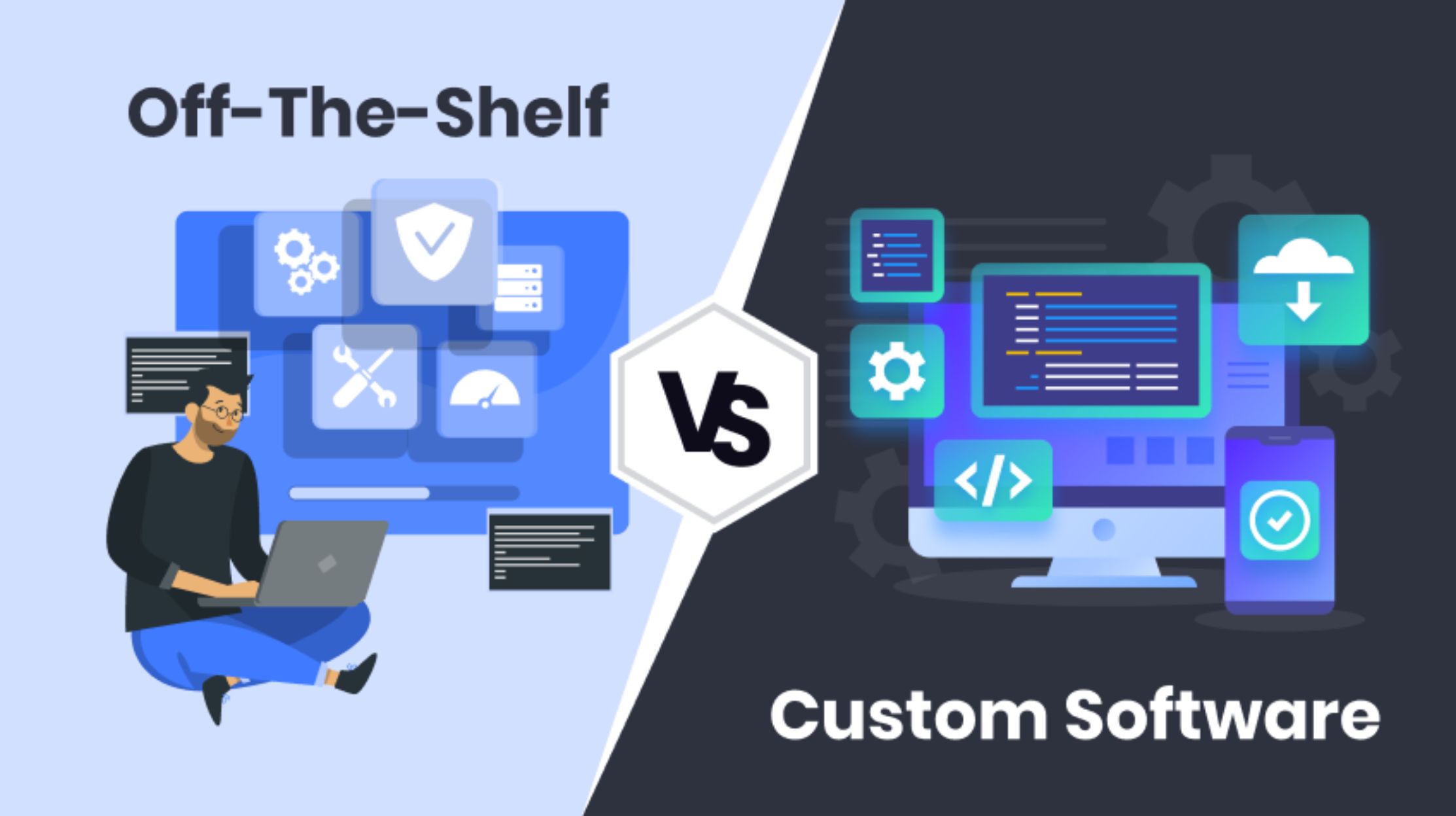
Off-the-shelf tools aren’t enough here’s when (and why) to build your own platforms tailored to your processes, data needs, and scalability goals.