
Blog
How AMS-Biometric Systems Simplify Shift Tracking and Improve Workforce Accuracy Efficiency
Discover how biometric attendance systems automate shift tracking, reduce errors, and improve workforce accountability.
Discover how biometric attendance systems automate shift tracking, reduce errors, and improve workforce accountability.
Tracking employee attendance is a core function of workforce management. In many companies, this process is still handled manually through paper sheets, punch cards, or isolated biometric devices that don’t communicate with each other. As organizations grow, these traditional methods become unreliable, time‑consuming, and prone to errors.
An effective attendance system should accurately capture working hours, handle complex shift schedules, and provide visibility to HR teams and managers. This is where modern digital attendance systems with biometric integration come in, transforming attendance from a tedious administrative task into an automated, transparent, and error‑free process.
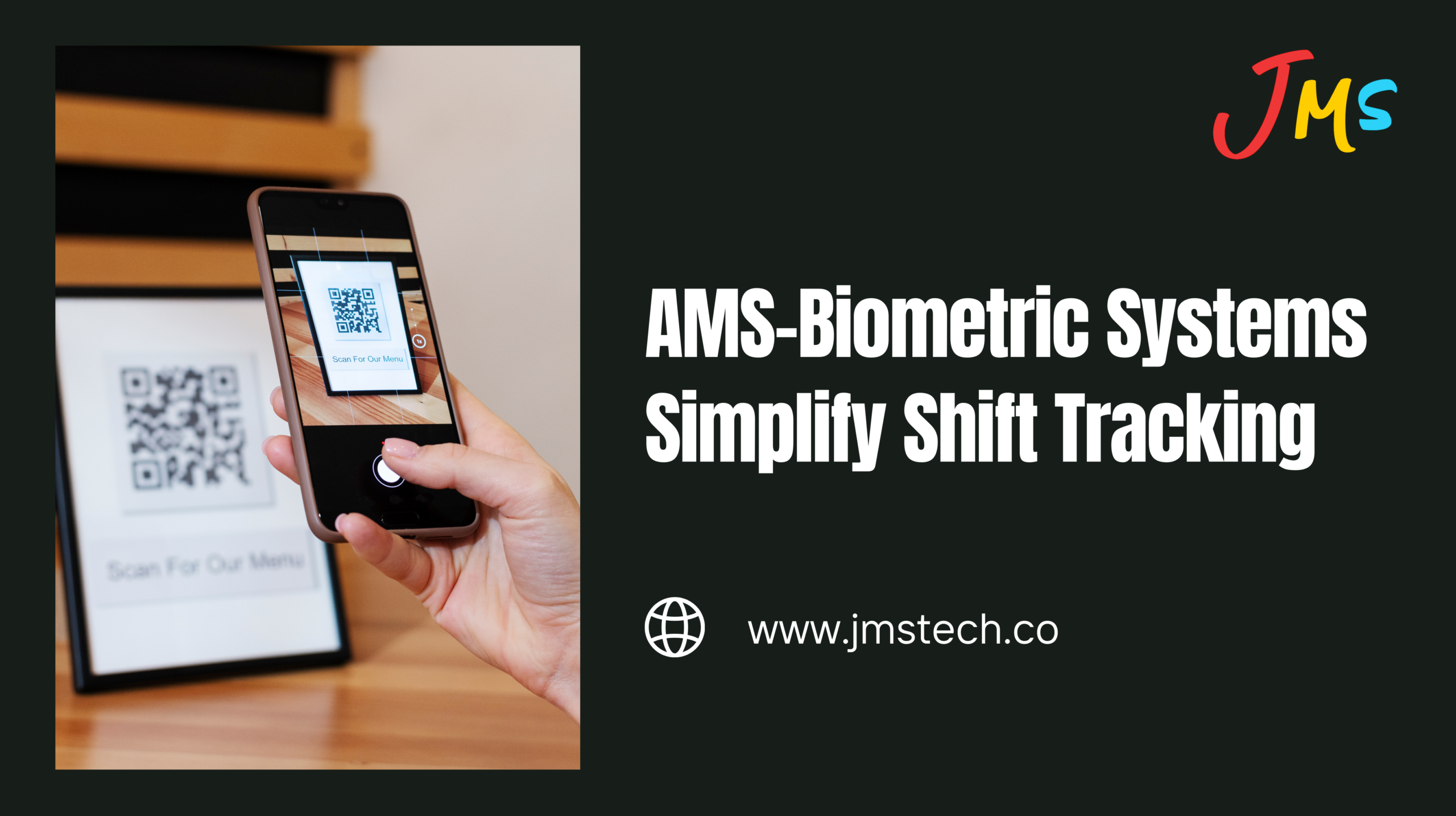
Many businesses still struggle with outdated attendance processes that create inefficiencies and confusion. Common problems include:
These challenges not only reduce accuracy but also waste time and effort on HR teams. For example, manually reconciling employee entries with payroll data can lead to discrepancies and disputes, putting pressure on HR and finance departments.
When attendance is tracked through legacy methods, organizations risk inaccurate records, unverified timesheets, and compliance issues. Without real‑time monitoring, managers might not detect absenteeism patterns or late arrivals quickly enough to address them.
As companies grow and shift schedules become more complex, these risks increase. Manual handling of time logs, especially across multiple locations or remote teams, can lead to payroll inconsistencies and reduced employee trust.
The AMS‑Biometric & Web‑Integrated System offered by JMS Tech is designed to overcome these traditional challenges by combining real‑time attendance tracking with secure biometric authentication. This digital system automates the entire attendance workflow so organizations can achieve accuracy, transparency, and control.
Biometric integration, such as fingerprint or other biometric inputs, ensures that employee attendance is recorded accurately and in real time. Unlike paper logs, biometric data cannot be easily tampered with, which helps eliminate proxy attendance and related discrepancies.
The system supports flexible work patterns, allowing HR teams to set up standard or custom shifts without manual oversight. Leave requests and shift changes can be processed automatically, reducing administrative load and ensuring accurate attendance records.
With web‑based integration, attendance logs become instantly accessible through a centralized dashboard. Managers can monitor attendance history, check‑in status, and compliance metrics from one place, instead of digging through spreadsheets or disparate systems.
Attendance data can be integrated with payroll and HR systems, reducing errors during salary calculations and streamlining workforce reporting. Automated syncing also saves time and simplifies month‑end processes for HR and finance teams.
Automated alerts for missed check‑ins, late arrivals, or shift irregularities ensure that managers are always informed of attendance issues. Robust reporting tools enable organizations to analyze workforce trends and make data‑driven decisions.
Implementing an AMS with biometric integration brings clarity to attendance management. Instead of relying on manual entries or isolated devices, companies can ensure that time records are accurate, accessible, and synchronized with key business systems. This not only improves operational efficiency but also enhances compliance and accountability.
From real‑time monitoring to simplified payroll processes, digital attendance systems empower organizations to capture attendance data more accurately and make HR management more strategic.
Stay updated with trends in AI, enterprise tools, automation, and cloud-based transformation.

Make smarter decisions with real-time dashboards, custom reports, and unified data across departments to stay ahead in a fast-changing business landscape.
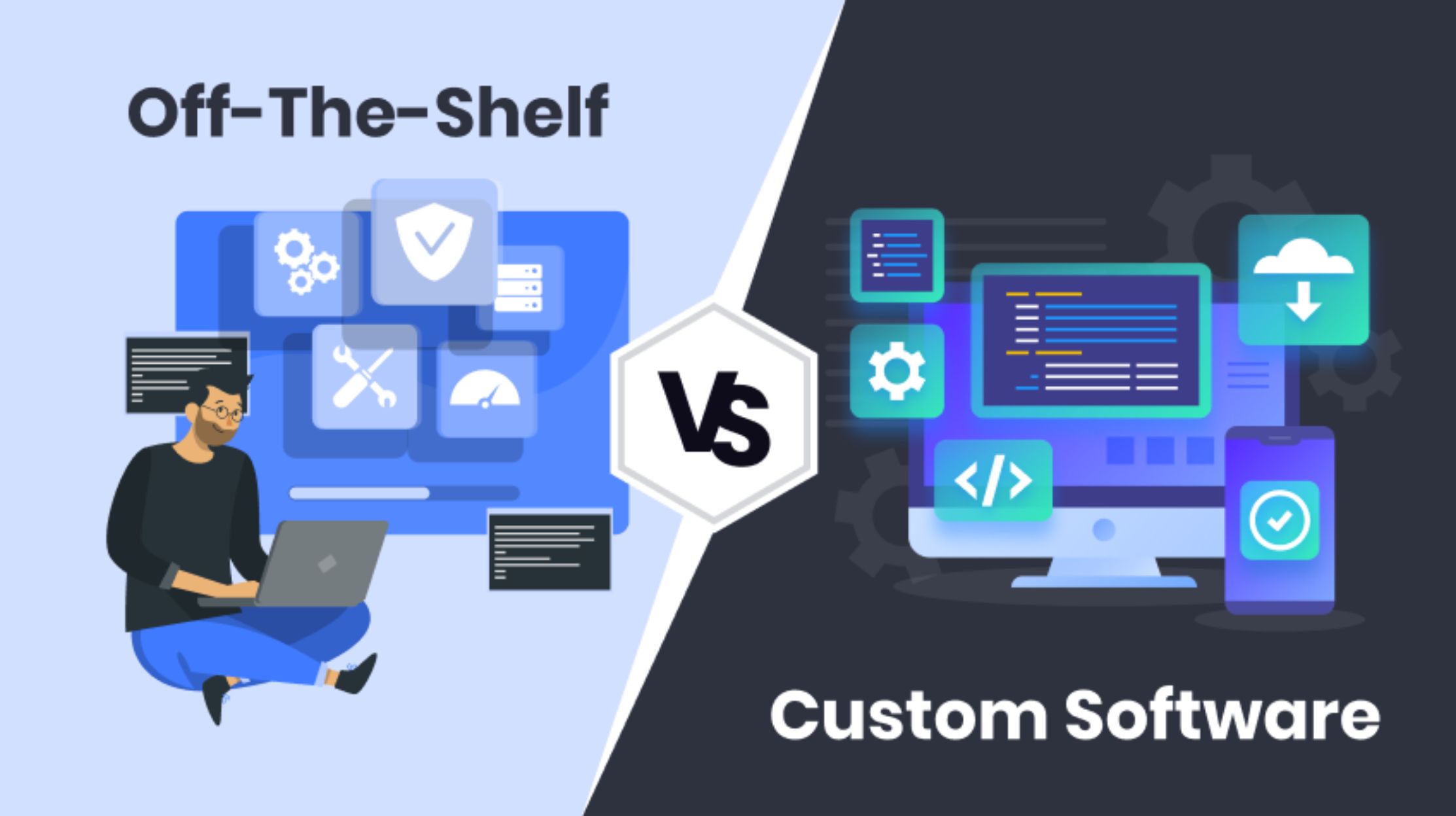
Off-the-shelf tools aren’t enough here’s when (and why) to build your own platforms tailored to your processes, data needs, and scalability goals.