Blog
How Recruiters Can Reduce Hiring Time Using AI Recruitment Tools
Discover how AI recruitment tools help hiring teams automate screening, streamline candidate communication, and significantly reduce time-to-hire.

Discover how AI recruitment tools help hiring teams automate screening, streamline candidate communication, and significantly reduce time-to-hire.
Hiring the right people quickly has become a major challenge for modern businesses. As organizations grow, recruitment processes often become slower and more complicated. HR teams must manage hundreds of applications, coordinate interviews, communicate with candidates, and track progress across multiple hiring stages.
When these tasks are handled manually, the hiring process can take weeks or even months.
To address these challenges, many companies are turning into intelligent recruitment platforms. Recruit Smart by JMS TECH is designed to simplify hiring by bringing automation, organization, and visibility into the recruitment process. By reducing repetitive tasks and streamlining workflows, the platform helps businesses hire faster while improving the overall recruitment experience.
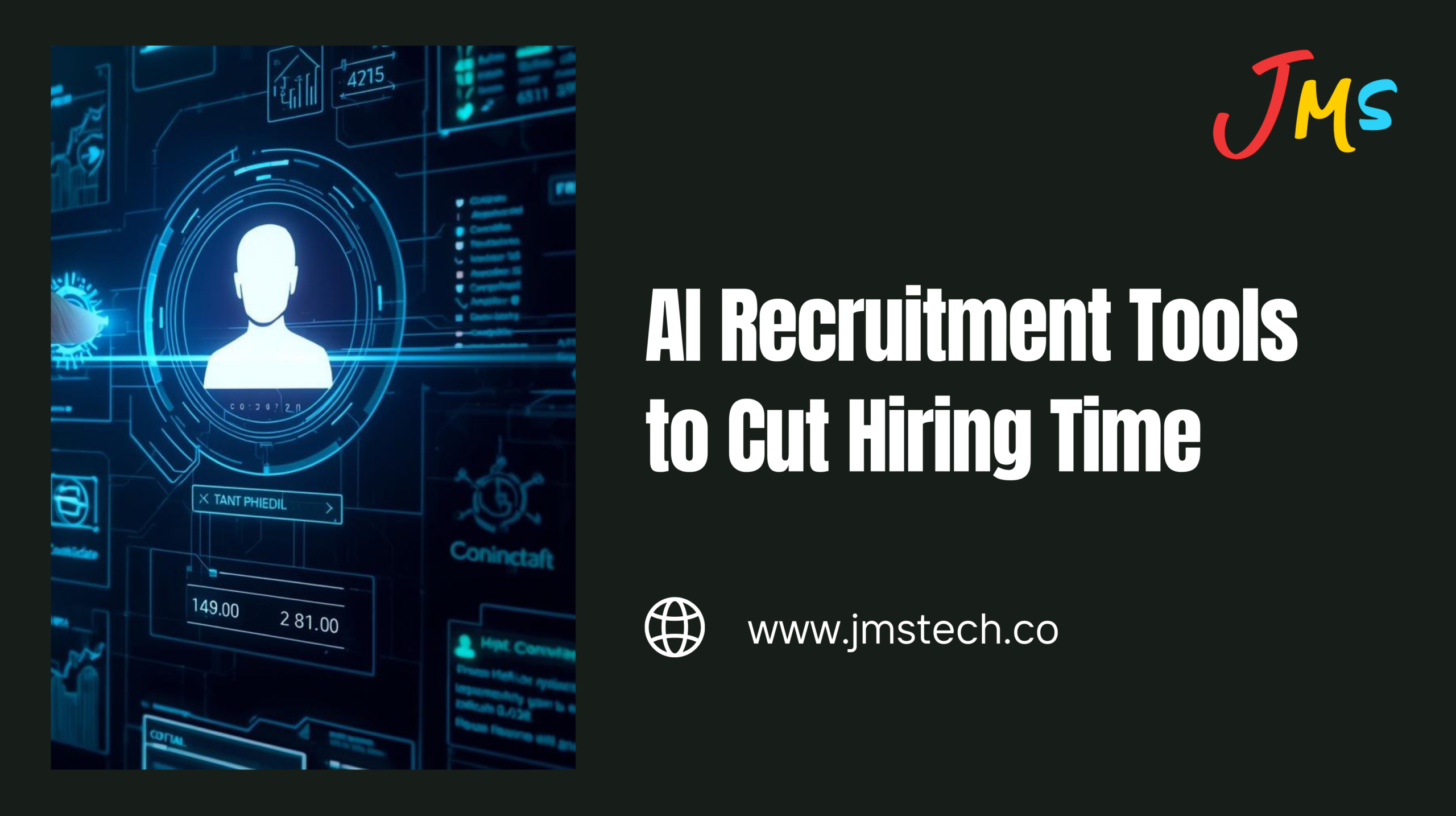
In many organizations, recruitment still depends heavily on spreadsheets, emails, and manual coordination. While this may work for small hiring needs, it quickly becomes inefficient when companies begin to scale. Recruiters often struggle with: Reviewing large numbers of resumes Tracking candidate progress across stages Coordinating interview schedules Maintaining timely communication with applicants These challenges can slow down hiring significantly. In competitive industries, delays often mean losing strong candidates to companies with faster recruitment processes.
One of the most time-consuming tasks in recruitment is resume screening. Recruit Smart helps simplify this step using AI-driven candidate analysis. The system reviews resumes based on job requirements, experience, and relevant skills. Instead of manually filtering through hundreds of applications, recruiters receive a list of candidates who best match the role. This not only saves time but also improves the accuracy of shortlisting, ensuring recruiters focus on the most suitable applicants.
Another major advantage of Recruit Smart is its centralized recruitment management system. All hiring activities can be tracked from a single dashboard, allowing HR teams and hiring managers to monitor the recruitment pipeline easily. From applications received to interview scheduling and candidate selection, every stage becomes more transparent and organized. This visibility helps teams stay aligned and reduces confusion that often occurs when hiring information is scattered across multiple tools.
Interview scheduling and candidate communication are often overlooked as sources of delay in recruitment. Recruit Smart helps streamline these processes by organizing interview schedules and ensuring candidates receive timely updates. Recruiters can coordinate interviews more efficiently while maintaining a professional and responsive communication flow with applicants. This improves the candidate experience and helps organizations maintain a strong employer brand.
When repetitive tasks such as resume screening, interview coordination, and candidate tracking are streamlined, recruiters gain more time to focus on strategic decisions. Platforms like Recruit Smart allow HR teams to concentrate on evaluating candidates, understanding team needs, and making better hiring decisions. Many organizations that adopt structured recruitment systems see a noticeable improvement in efficiency, with hiring timelines reduced significantly. By combining AI assistance with human decision-making, businesses can create a hiring process that is not only faster but also more effective in identifying the right talent.
Stay updated with trends in AI, enterprise tools, automation, and cloud-based transformation.
Make smarter decisions with real-time dashboards, custom reports, and unified data across departments to stay ahead in a fast-changing business landscape.
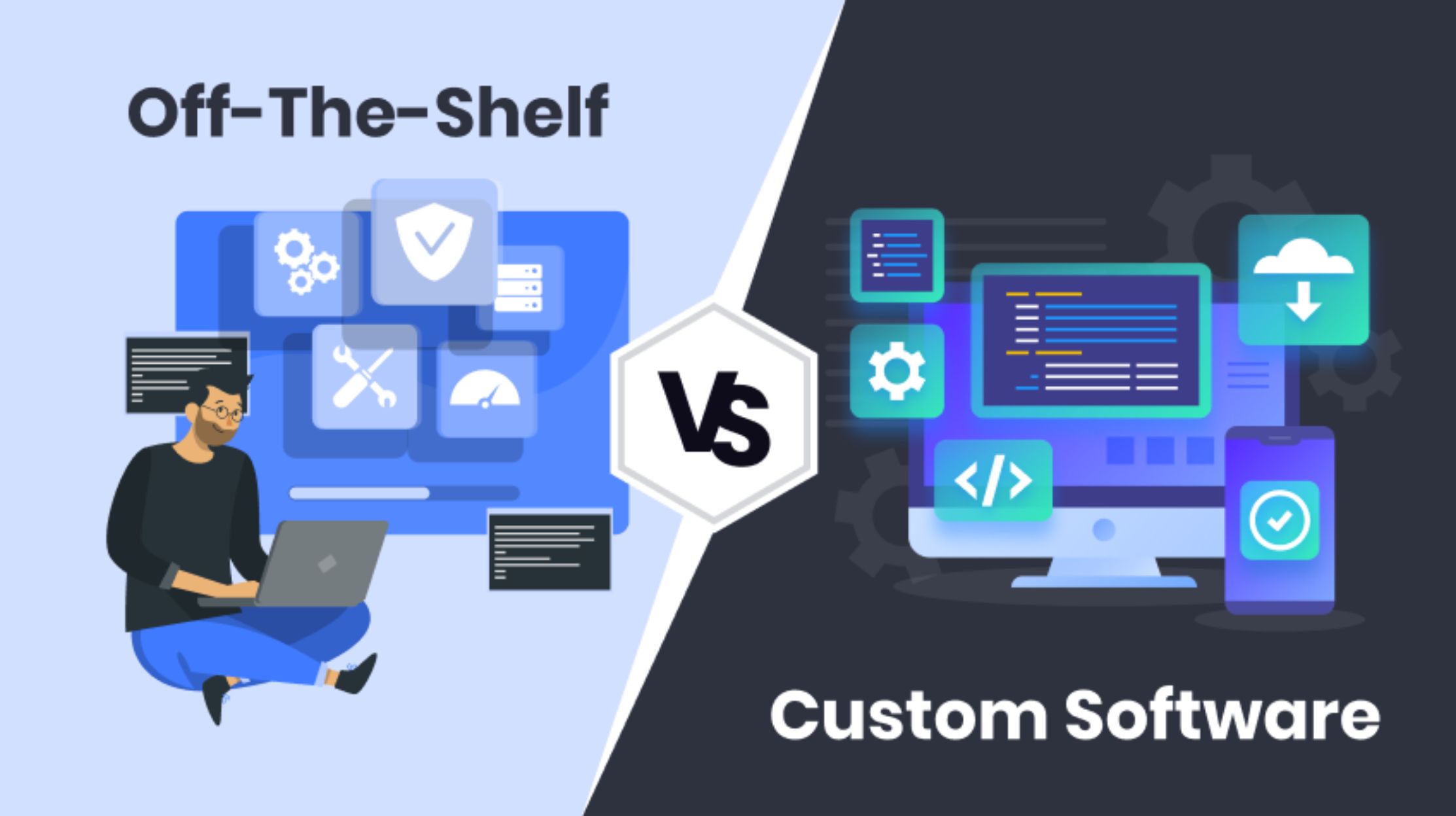
Off-the-shelf tools aren’t enough here’s when (and why) to build your own platforms tailored to your processes, data needs, and scalability goals.