
Blog
AI Tools Replacing Teams: From Marketing to Operations in 2026
Understand how advanced AI tools are reshaping business operations by automating tasks traditionally handled by entire teams.

Understand how advanced AI tools are reshaping business operations by automating tasks traditionally handled by entire teams.
In 2026, AI is evolving from simple assistants into autonomous agents that can plan, execute, and manage multi-step workflows with minimal human oversight. Departments like marketing, HR, sales, and operations can now automate repetitive tasks, reduce errors, and focus on more strategic work.
These agentic AI tools are changing how businesses operate by handling research, scheduling, outreach, data management, and more, freeing employees to focus on creativity, decision-making, and client engagement. Rather than replacing humans, AI augments teams increase efficiency, and help organizations scale without adding headcounts.
This article explores how AI tools are transforming departments and how businesses can prepare for this shift toward autonomous workflows.
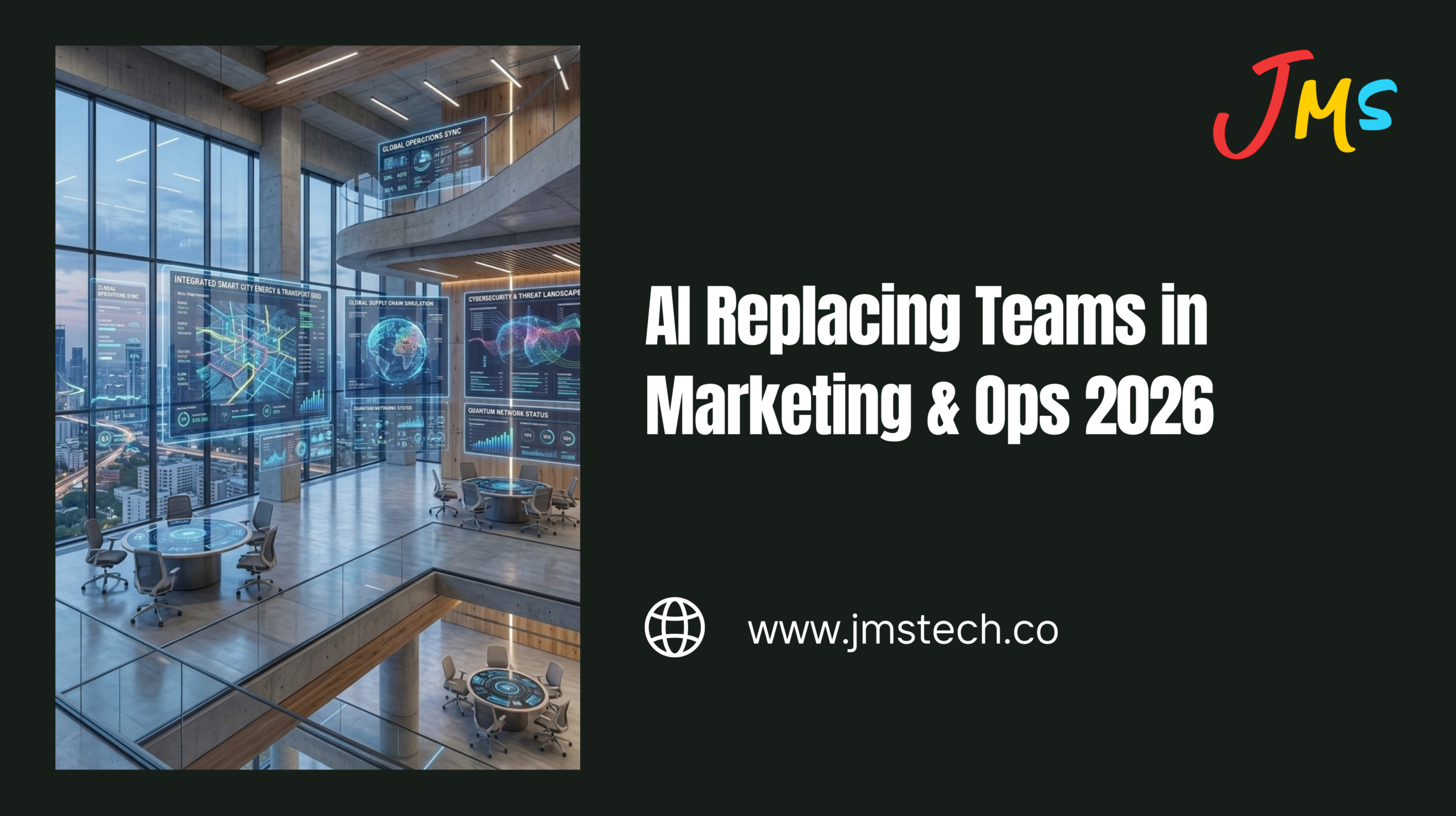
Marketing teams are using agentic AI to manage entire campaigns end-to-end. Agents can:
The result is reduced manual work, faster execution, and hyper-personalized outreach, perfectly complementing tools like Sell Sharp for autonomous prospect engagement.
Operations and finance teams benefit from agents handling repetitive, data-heavy tasks:
Agents free operations leaders to focus on strategy rather than administrative firefighting.
HR is undergoing one of the biggest transformations:
This allows faster hiring, improved employee experience, and strategic workforce management.
Agentic AI transforms sales by handling non-selling tasks:
Tools like Sell Sharp can leverage agentic layers to run full outreach campaigns with minimal human intervention.
To successfully adopt autonomous AI agents:
Agentic AI doesn’t eliminate roles, it compresses teams, improves efficiency, and allows humans to focus on creativity, strategy, and empathy. Businesses that adopt early gain a competitive edge in speed, scalability, and productivity.
Stay updated with trends in AI, enterprise tools, automation, and cloud-based transformation.

Make smarter decisions with real-time dashboards, custom reports, and unified data across departments to stay ahead in a fast-changing business landscape.
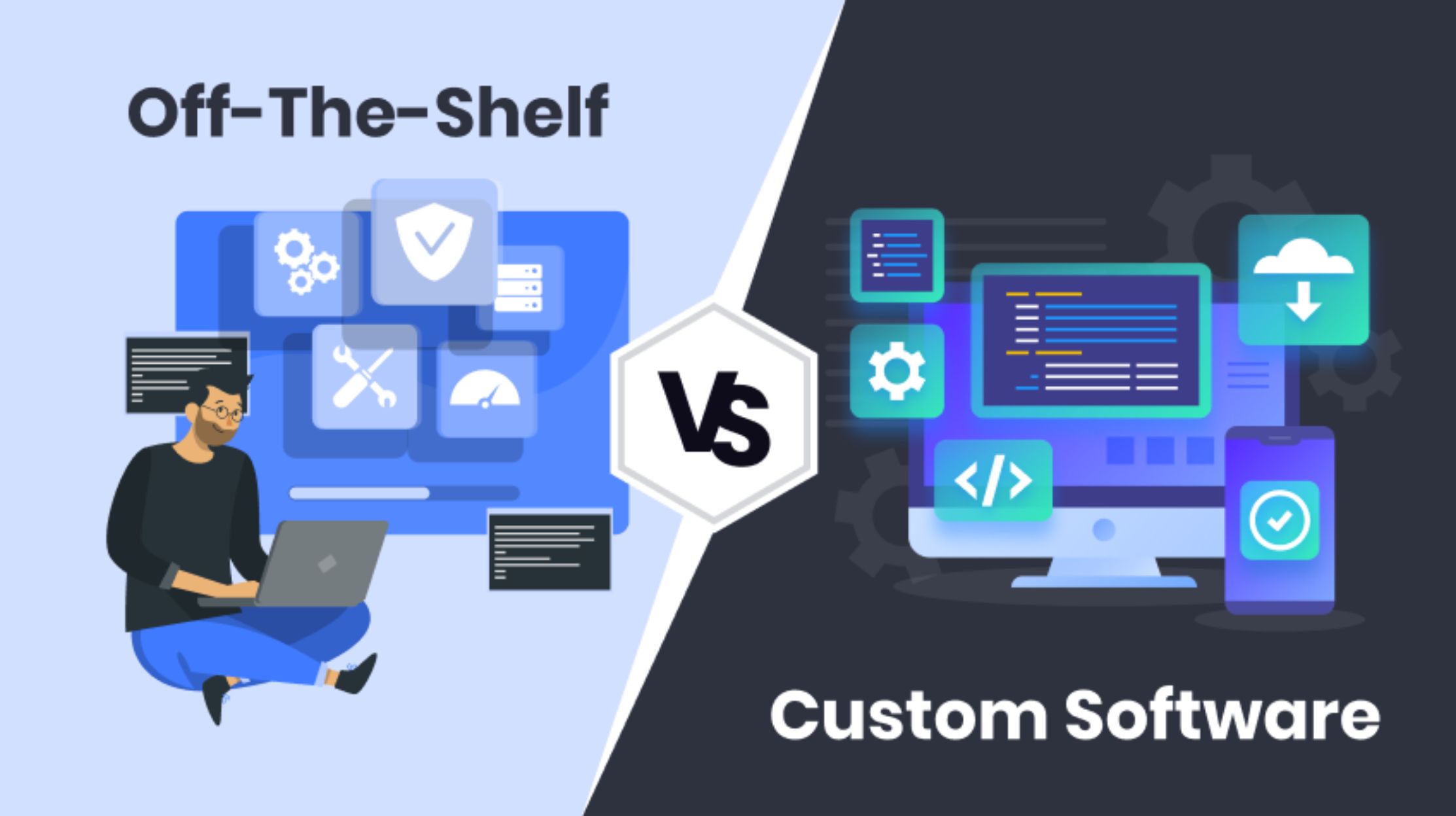
Off-the-shelf tools aren’t enough here’s when (and why) to build your own platforms tailored to your processes, data needs, and scalability goals.