Blog
Why Off-the-Shelf Software Fails Growing Businesses
Data shows why generic tools stop working as you scale.

Data shows why generic tools stop working as you scale.
Off-the-shelf software is often the first choice for startups and small teams. It’s quick to deploy, affordable, and easy to use. But as businesses grow, these tools start to slow things down instead of speeding them up. The reason isn’t poor technology. It’s a mismatch between scale and system design.

Most off-the-shelf software is built for common use cases. According to Gartner, nearly 70% of digital transformation initiatives fail due to poor alignment between technology and business processes. As teams expand, workflows become more layered, approvals increase, and responsibilities spread across departments. Generic software struggles to support this complexity.
McKinsey reports that employees can lose up to 30% of their productive time due to inefficient workflows and tools that don’t fit how work actually happens. When businesses force their processes to adapt to rigid software, teams rely on workarounds, spreadsheets, and manual coordination.
This creates hidden costs:
While many tools offer customization, it often comes with limits. Forrester found that companies using multiple disconnected tools experience higher training costs and lower adoption rates. As a result, employees spend more time managing tools than creating value.
Growing businesses need software that evolves with them. Systems should support changing workflows, integrate easily with other tools, and scale without adding friction. Companies that align software with process see 20–30% efficiency improvements, according to McKinsey.
Stay updated with trends in AI, enterprise tools, automation, and cloud-based transformation.

Make smarter decisions with real-time dashboards, custom reports, and unified data across departments to stay ahead in a fast-changing business landscape.
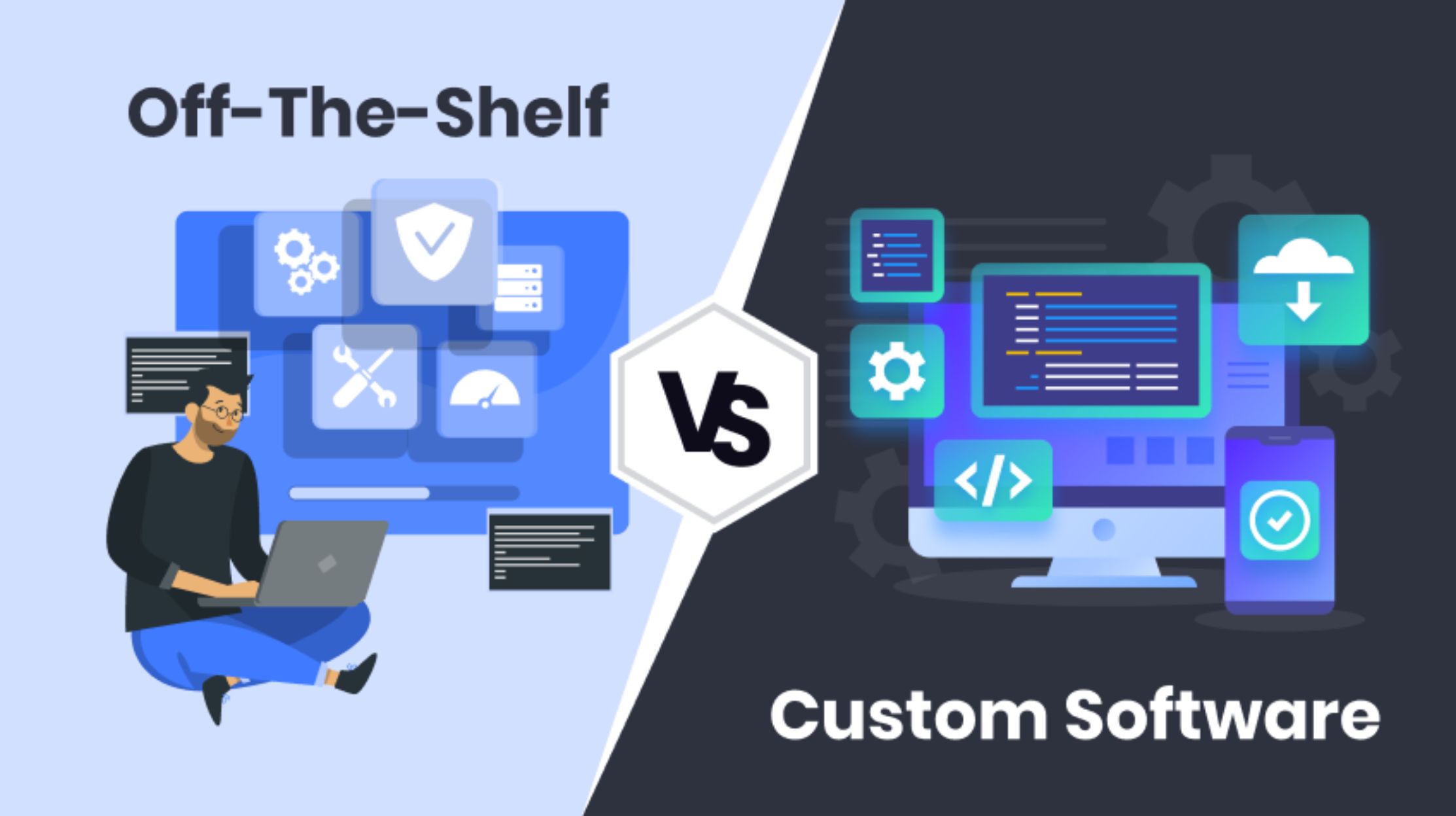
Off-the-shelf tools aren’t enough here’s when (and why) to build your own platforms tailored to your processes, data needs, and scalability goals.